

Imagine a world where a simple roll of packing tape costs your business hundreds of thousands in lost revenue every year. Every damaged package, delayed shipment or returned order could potentially be traced back to one unsung and often overlooked hero: packing tape. Using the wrong type or overusing packaging tape might seem minor, but it can lead to costly damages, unrealized loss in material, product spoilage and unhappy customers. In the world of logistics and shipping, packing tape isn’t just an afterthought, it’s a critical component that can make or break your bottom line.
There are essentially three different categories of tapes recommended for packaging: hot melt, acrylic, and water activated tape (WAT). Each of these categories have multitudes of thicknesses, or mil, each designed for distinct, unique purposes. With so many options, choosing the right tape depends on the product being shipped and its specific situation.
Hot melt
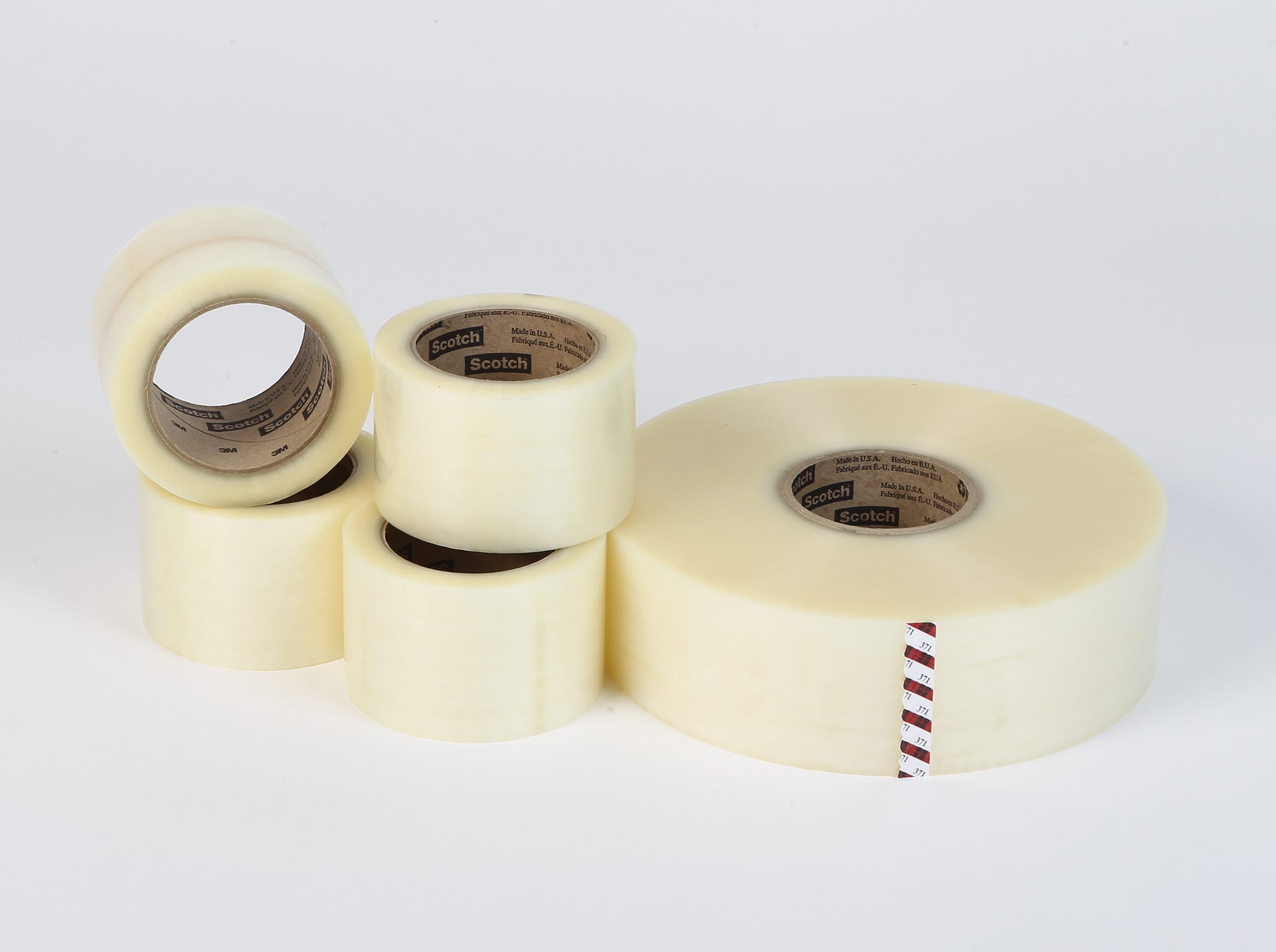 This tape is the easy choice when it comes to dusty environments in climate-controlled areas. With a fast-acting tac, hot melt rapidly adheres to packaging with options for both handheld and machine applications. Hot melt is also unique in that it bonds so tightly with the packaging material, it’s difficult to cleanly remove. One minor drawback to this adhesive is the yellow-like tinge it’s associated with, while this is coincidentally what makes it excellent for corrugated material.
Acrylic
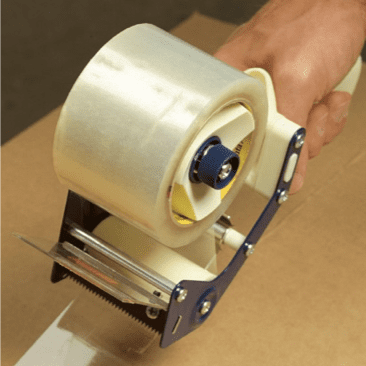 Acrylic tape is best suited for non-environmentally controlled climates. This tape is engineered to thrive in extremes. Whether it’s a stifling warehouse in the summer or cold chain fulfillment center, acrylic keeps its adhesion in nearly any intense temperature scenario. While this tape is slower to stick to packaging, its adhesion is still incredibly strong. Additionally, it doesn’t yellow over time like other tapes, making it ideal for luxury packaging, retail or white packaging material.
WAT
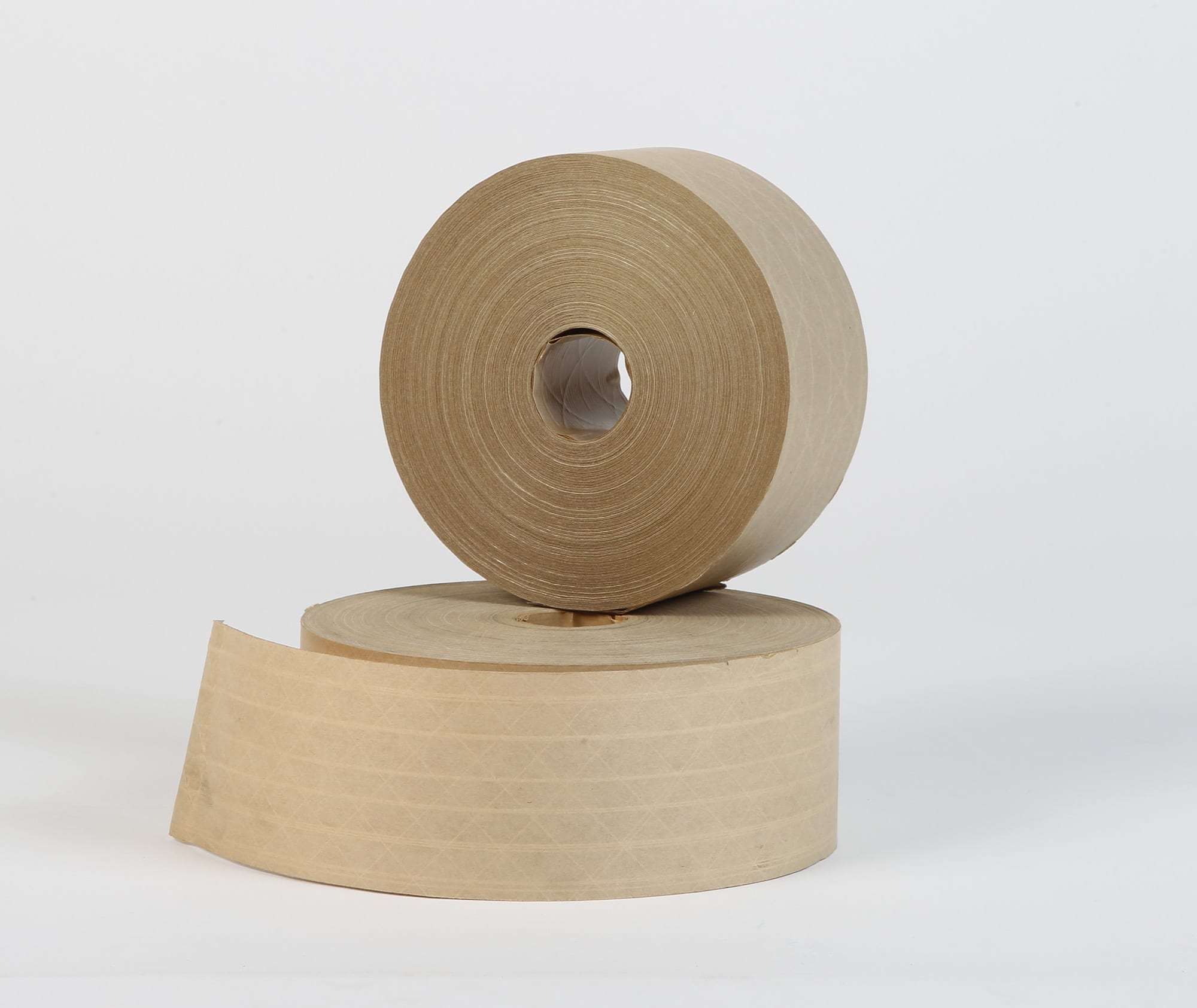 Water activated tape, or WAT tape, requires a machine dispenser for applications.It is a dry adhesive that needs a solvent such as water to become sticky, hence the name. When considering packaging products in excess of 35 lb or when theft deterrence is a priority, WAT tape is the best choice. Very basically, WAT tape adheres to the fibers of a box, effectively becoming part of that packaging.
Other Factors to Consider:
A tape’s mil becomes important when dealing with heavier products that need extra support, generally items weighing over 10 lb. Top of Form Mil is the standard unit used to measure packing tape thickness, typically ranging from 1.6 to 3.0 mils, with the average around 2.0 mils. Lightweight acrylic tapes tend to be thinner, whereas heavy-duty hot melt tapes are generally thicker. If a shipper is using too high a mil, down-gauging is a common cost-saving solution that many manufacturers would not spot without the proper guidance from an industry expert. Inversely, excess amounts of low mil tape can be replaced with the right mil to support the packaging, reducing material use and costs.
Consulting with a packaging authority can provide valuable recommendations, ensuring the right tape is used efficiently, minimizing material waste while supporting sustainability goals and optimizing a business’s bottom line. Premier’s Sourcing Department, with decades of experience, specializes in identifying the ideal tape for your packaging needs. Our in-house Design Lab can further enhance your branding options by offering multicolor printing across all three tape categories, whether it’s a logo, brand name or message.
All in all, choosing the correct packaging tape is a crucial detail that can significantly influence operational costs. By selecting the right tape and applying the correct amount, you’ll prevent costly returns and damage while receiving savings in material and labor.